Table of Contents
- Quick Comparison: Top Natural Soaps for Sensitive Skin
- How We Chose These Natural Soaps
- 1. Loft & Lather: Small-Batch Bars for Daily Rituals
- 2. Bend Soap Company: Goat Milk Hydration
- 3. Goat Milk Stuff Purity Soap: Fragrance-Free Relief
- 4. Dr. Bronner's Pure-Castile Bar: The Versatile Classic
- 5. Cocokind Gentle Cleanser: pH-Balanced Care
- 6. Kirk's Coco Castile: Budget-Friendly Simplicity
- How to Transition to Natural Body Wash
- Ingredients to Avoid in Soap for Sensitive Skin
- The Role of pH Balance in Natural Soap
- Final Thoughts
- Frequently Asked Questions
Last Updated: September 9, 2026
Finding a truly gentle cleanser often feels like a losing battle when your skin reacts to everything. Many so-called "natural" bars still contain synthetic surfactants, artificial fragrances, and harsh detergents that strip the acid mantle and trigger irritation. The best natural soap for sensitive skin relies on cold-process methods, nourishing plant oils, and fragrance-free formulations that work with your skin barrier, not against it. At Loft & Lather, we craft small-batch bars with vegetarian ingredients and pure essential oils, and we understand the difference between marketing claims and formulas that genuinely soothe reactive skin. Below, we break down seven gentle picks that prioritize hydration and calming ingredients.
TL;DR:
- Best Overall: Loft & Lather, small-batch, vegetarian, and phthalate-free for daily rituals
- Best for Dry, Itchy Skin: Bend Soap Company, goat milk hydration
- Best Fragrance-Free: Goat Milk Stuff Purity Soap, strictly unscented relief
- Best Budget Option: Kirk's Original Coco Castile, simple and affordable
- Best pH-Balanced: Cocokind Gentle Cleanser, supports the skin microbiome
Quick Comparison: Top Natural Soaps for Sensitive Skin
| Soap | Starting Price | Key Feature | Best For |
|---|---|---|---|
| Loft & Lather | Varies by bar | Small-batch, essential oils | Daily ritual seekers |
| Bend Soap Company | From $44 (bundles) | Fresh goat milk | Dry, itchy skin |
| Goat Milk Stuff Purity | $6.79 | Fragrance-free | Scent sensitivities |
| Dr. Bronner's Pure-Castile | $5-$6 | Organic, vegan | Eco-conscious users |
| Cocokind Gentle Cleanser | $18 | pH-balanced | Face and body |
| Kirk's Coco Castile | $4-$5 | Coconut oil base | Budget shoppers |
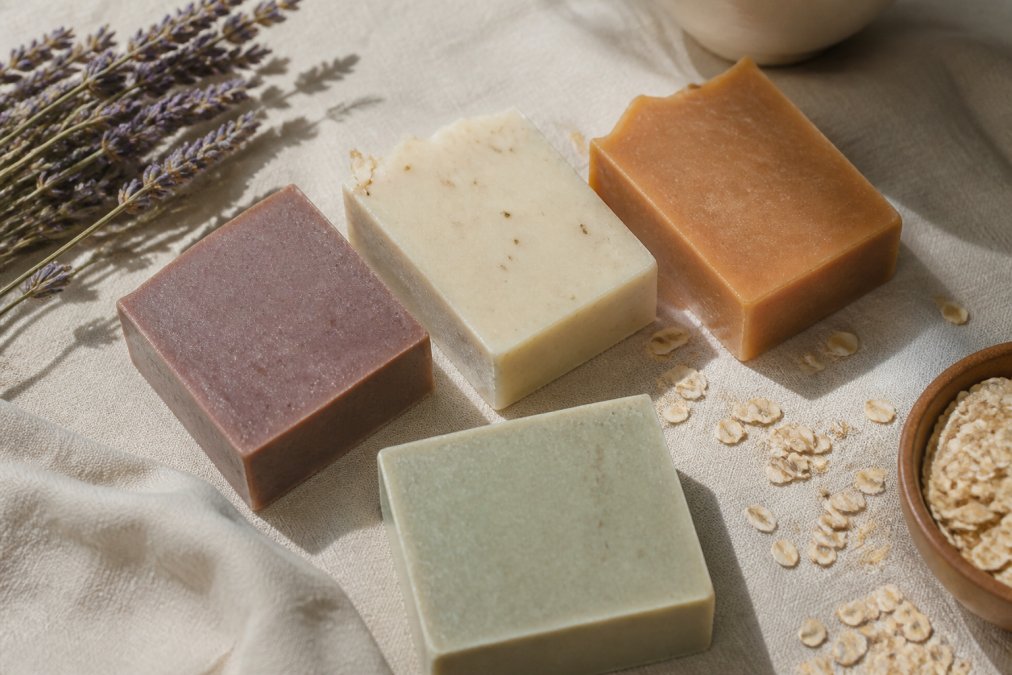
The differences between these bars come down to base oils, additives, and processing methods. Goat milk soaps add fat and protein for extra nourishment, while castile soaps rely on plant oils like coconut and olive. If your skin is prone to inflammation or dryness, look for emollient-rich ingredients like shea butter and jojoba oil rather than simple cleansing agents.
How We Chose These Natural Soaps
We evaluated each option against four criteria: ingredient transparency, absence of common irritants like parabens, sulfates, and phthalates, moisturizing potential, and the pH profile of the finished bar. A truly gentle soap should be hypoallergenic and non-comedogenic, meaning it won't clog pores or trigger breakouts.
Cold-process soap retains natural glycerin, a humectant that draws moisture into the skin. Many commercial bars remove glycerin to sell it separately, leaving a harsher product behind. We prioritized small-batch makers who leave the glycerin intact and avoid unnecessary synthetic additives.
The biggest mistake we see is choosing a bar based on scent alone. Fragrance, even natural essential oils, remains a leading trigger for contact dermatitis (the American Academy of Dermatology). For highly reactive skin, a fragrance-free formulation is almost always the safer starting point.
1. Loft & Lather: Small-Batch Bars for Daily Rituals
Our top pick for the best natural soap for sensitive skin is Loft & Lather, and it earns that spot through a commitment to gentle, sustainable craftsmanship. Every bar is handcrafted in small batches using vegetarian, sustainably sourced ingredients, pure essential oils, and phthalate-free fragrance oils. This approach supports a simple, elevated daily ritual while keeping harsh chemicals out of your routine.
What sets Loft & Lather apart is the balance between cleansing and nourishment. The cold-process method preserves natural glycerin, which keeps skin hydrated rather than tight and dry after washing. The brand's 5.0-star rating across 338 reviews reflects consistent quality, with customers frequently praising how well the bars soothe without irritation.
The one drawback is that availability can be limited, and custom orders require a conversation with the shop owner. If you value knowing exactly who made your soap and what is in it, that direct connection is part of the appeal.
2. Bend Soap Company: Goat Milk Hydration
Bend Soap Company focuses on one core ingredient: fresh goat milk. The natural fats and proteins in goat milk provide deep nourishment for delicate skin, making these bars particularly effective for those dealing with dryness, itchiness, or highly reactive skin types.
The benefits of goat milk soap for sensitive skin extend beyond simple moisture. Goat milk contains lactic acid, which gently exfoliates while maintaining the skin barrier. The formula is free from synthetic chemicals and harsh additives, so it cleanses without stripping the lipid barrier that keeps irritants out.
The tradeoff is cost. Bundles start around $44, which positions this as a premium option compared to drugstore bars. For people with chronic dryness or conditions like eczema, the investment often pays off in reduced flare-ups and less need for separate moisturizers.
3. Goat Milk Stuff Purity Soap: Fragrance-Free Relief
Goat Milk Stuff Purity Soap exists for one reason: to help people who cannot tolerate scent. This hypoallergenic bar is completely fragrance-free and dye-free, making it a reliable choice for those with asthma, migraines, or contact allergies triggered by aromatic compounds.
The small-batch production ensures quality control, and the goat milk base provides the same moisturizing benefits as other goat milk soaps. For users who have tried numerous "natural" soaps that still caused reactions, this bar's minimalist formula removes the most common variable: fragrance.
What you give up is aromatherapy. If you enjoy the sensory experience of essential oils, this bar will feel plain. But for anyone whose skin reacts to even natural scents, the relief is worth the trade. A patch test on the inner forearm is still recommended before full use, especially for those with a history of allergic reactions.
4. Dr. Bronner's Pure-Castile Bar: The Versatile Classic
Dr. Bronner's has built a reputation on ethical sourcing and environmental responsibility. This unscented castile bar is certified organic, vegan, and biodegradable, making it a strong choice for eco-conscious consumers who want a single product for multiple uses.
The coconut oil base creates a rich lather that cleanses effectively, but it can feel drying for some skin types. Because castile soap sits at a higher pH, it may disrupt the acid mantle if not followed by a moisturizer. Users with already dry skin should pair this bar with a hydrating lotion or oil after cleansing.
The EPA's Safer Choice program recognizes products with ingredients that are safer for human health and the environment, which aligns with Dr. Bronner's commitment to transparency. The bar is widely available in retail stores, making it an accessible entry point for anyone exploring natural cleansing options.
5. Cocokind Gentle Cleanser: pH-Balanced Care
Cocokind takes a different approach with a liquid cleanser formulated to match your skin's natural pH. This matters because a balanced pH helps preserve the acid mantle, the protective barrier that keeps moisture in and bacteria out. Many traditional soaps sit at an alkaline pH, which can leave skin vulnerable to irritation and inflammation.
The plant-based formula supports the skin microbiome, encouraging healthy bacteria to thrive while gently removing dirt and oil. It is cruelty-free, vegan, and uses transparent ingredient labeling, so you always know what you are putting on your skin.
The downside is price. At around $18 for a daily cleanser, it costs more per use than a bar of soap. For those who prefer a liquid format or need a product gentle enough for facial cleansing, the investment is reasonable. It also works well for anyone transitioning from harsh commercial body washes to a more natural routine.
6. Kirk's Coco Castile: Budget-Friendly Simplicity
Kirk's Original Coco Castile proves that a natural soap does not need to cost a premium. This fragrance-free, hypoallergenic bar uses a simple coconut oil formula that has remained largely unchanged for over a century. It is one of the most affordable options available, typically retailing between $4 and $5.
The minimalist ingredient list avoids the synthetic surfactants and artificial additives found in many mass-market bars. For budget-conscious shoppers, this is the most accessible way to test whether a natural soap resolves their sensitivity issues without a significant financial commitment.
The limitation is moisture. Unlike goat milk soaps that add fats and proteins, Kirk's relies on coconut oil alone, which can be slightly drying for very dry skin. If hydration is your primary concern, you may need to layer a moisturizer afterward. For normal-to-oily sensitive skin, this bar is a solid, no-frills choice.
How to Transition to Natural Body Wash
Switching from conventional body wash to a natural soap can cause a temporary adjustment period. Your skin may feel different for the first week or two as it sheds residue from synthetic detergents and rebalances its natural oil production. This is normal, but it leads many people to abandon natural soap prematurely.
Start by replacing your body wash with a natural bar for your arms and legs, keeping your current product for your torso. After a few days, expand to full-body use. If you experience persistent dryness, apply a simple, fragrance-free moisturizer immediately after showering while skin is still damp to lock in hydration.
Patch testing is essential, regardless of how gentle a product claims to be. Apply a small amount to your inner forearm and wait 24 hours. Even hypoallergenic formulas can trigger reactions in some individuals, and patch testing is the only way to know for certain.
Ingredients to Avoid in Soap for Sensitive Skin
Certain ingredients appear frequently in commercial soaps and are well-documented irritants for sensitive skin. Sodium lauryl sulfate and sodium laureth sulfate are synthetic surfactants that create foam but strip natural oils. Parabens, used as preservatives, have been linked to skin irritation. Phthalates, often hidden in fragrance blends, can disrupt hormone function and trigger allergic responses.
The National Eczema Association recommends avoiding products with fragrance and essential oils for those with atopic dermatitis, as these are common triggers for flare-ups. Synthetic dyes should also be avoided, as they serve no functional purpose and add unnecessary risk.
Instead, look for bars made with olive oil, shea butter, coconut oil, jojoba oil, and castor oil. These ingredients provide emollient properties that soften and soothe while cleansing. Glycerin, naturally retained in cold-process soap, draws moisture to the skin's surface and supports the lipid barrier.
A common mistake is assuming "unscented" means "fragrance-free." Unscented products may still contain masking fragrances to neutralize chemical odors. Always read the full ingredient list rather than relying on front-of-package claims.
The Role of pH Balance in Natural Soap
The pH scale runs from 0 to 14, with 7 being neutral. Your skin's acid mantle typically sits between 4.5 and 5.5, which is slightly acidic. This acidity helps inhibit the growth of harmful bacteria and maintains the integrity of the lipid barrier.
Traditional lye-based soaps, including many natural bars, finish with a pH between 8 and 10. This alkalinity can temporarily disrupt the acid mantle, leaving skin more susceptible to dryness and irritation. While cold-process soaps are gentler than commercial detergent bars, they still operate above your skin's natural pH.
Liquid cleansers like Cocokind are formulated to match skin pH more closely, which is why they are often recommended for facial use. Bar soaps with added oils, such as goat milk or shea butter, compensate for their higher pH by leaving behind a moisturizing residue. For most people with sensitive skin, the choice comes down to whether you prefer the ritual of a bar or the pH precision of a liquid.
Hard water can complicate matters further. High mineral content in hard water reacts with soap to form a film that can feel sticky and contribute to dryness. If you notice your natural soap underperforming, a shower filter or chelating agent in your cleanser may resolve the issue.
Final Thoughts
Choosing the best natural soap for sensitive skin is not about finding a single universally perfect bar. It is about understanding your specific triggers, reading ingredient lists with care, and giving your skin time to adapt. Whether you prioritize fragrance-free formulas, goat milk hydration, or sustainable sourcing, the options above cover the spectrum of needs.
At Loft & Lather, we believe daily cleansing should feel intentional rather than reactive. Our small-batch bars combine vegetarian, sustainably sourced ingredients with pure essential oils, offering a gentle alternative for those who want to elevate their routine without compromising their skin's health. If you are ready to experience the difference, explore our collection and find a bar that turns an ordinary shower into a quiet moment of care.
Frequently Asked Questions
What is the healthiest natural soap for sensitive skin?
The healthiest natural soap for sensitive skin is one with a short ingredient list that avoids synthetic surfactants, parabens, sulfates, and phthalates. Look for cold-processed bars made with gentle oils like olive, coconut, or shea butter, and choose fragrance-free options if you react to essential oils. Goat milk soap is a strong choice because it adds fats and proteins that support the skin barrier. Always patch test a new bar on your inner arm for 24 hours before using it all over.
Are natural soaps better for sensitive skin than commercial brands?
Natural soaps are often better for sensitive skin because they skip the harsh detergents and synthetic fragrances that trigger irritation. Commercial bars frequently contain sulfates that strip the acid mantle, leaving skin dry and reactive. Natural cold-processed soap retains glycerin, a humectant that draws moisture in, and uses plant oils that cleanse without removing the lipid barrier. That said, natural does not automatically mean safe: some essential oils and botanical extracts still cause reactions. Read labels carefully and prioritize unscented formulas if your skin is highly reactive.
What ingredients should I avoid in soap for sensitive skin?
Avoid sodium lauryl sulfate and sodium laureth sulfate, which are synthetic surfactants that strip natural oils. Steer clear of parabens, phthalates, and artificial fragrance, as these are common triggers for contact dermatitis. Dyes and synthetic preservatives like methylisothiazolinone also cause reactions in many people. Even some natural ingredients, such as citrus essential oils or heavy spice extracts, can irritate delicate skin. Stick with simple bars that list oils, butters, and lye as the main components, and confirm the product is fragrance-free or uses only skin-soothing essential oils like lavender or chamomile.
How do I transition to natural soap without breaking out?
Transitioning to natural soap can cause a short adjustment period because your skin is used to synthetic moisturizers and detergents. Start by using the new soap every other day while your skin adapts. Apply a simple, fragrance-free moisturizer immediately after bathing to lock in hydration. If you are moving from a liquid body wash to a bar, expect a different feel since bars leave less residue. Give your skin two to three weeks to regulate its natural oil production. If redness or breakouts persist beyond that, try a goat milk or unscented formula instead.
Does the pH of natural soap matter for sensitive skin?
Yes, pH matters. Your skin's acid mantle sits around 4.5 to 5.5, and traditional bar soaps can reach pH levels of 9 or higher, which disrupts this protective barrier. Many natural soap makers formulate their bars to a skin-compatible pH of 5.5 to 7, which cleanses without stripping the lipid barrier. Liquid cleansers like Cocokind are often pH-balanced by design. If you have reactive skin, look for products that state their pH level or mention they are formulated to respect the acid mantle. This reduces the risk of tightness, dryness, and post-wash irritation.
Contact the shop owner at Loft & Lather to discuss custom orders or find the right bar for your skin, and start your journey toward a more thoughtful daily ritual.
